
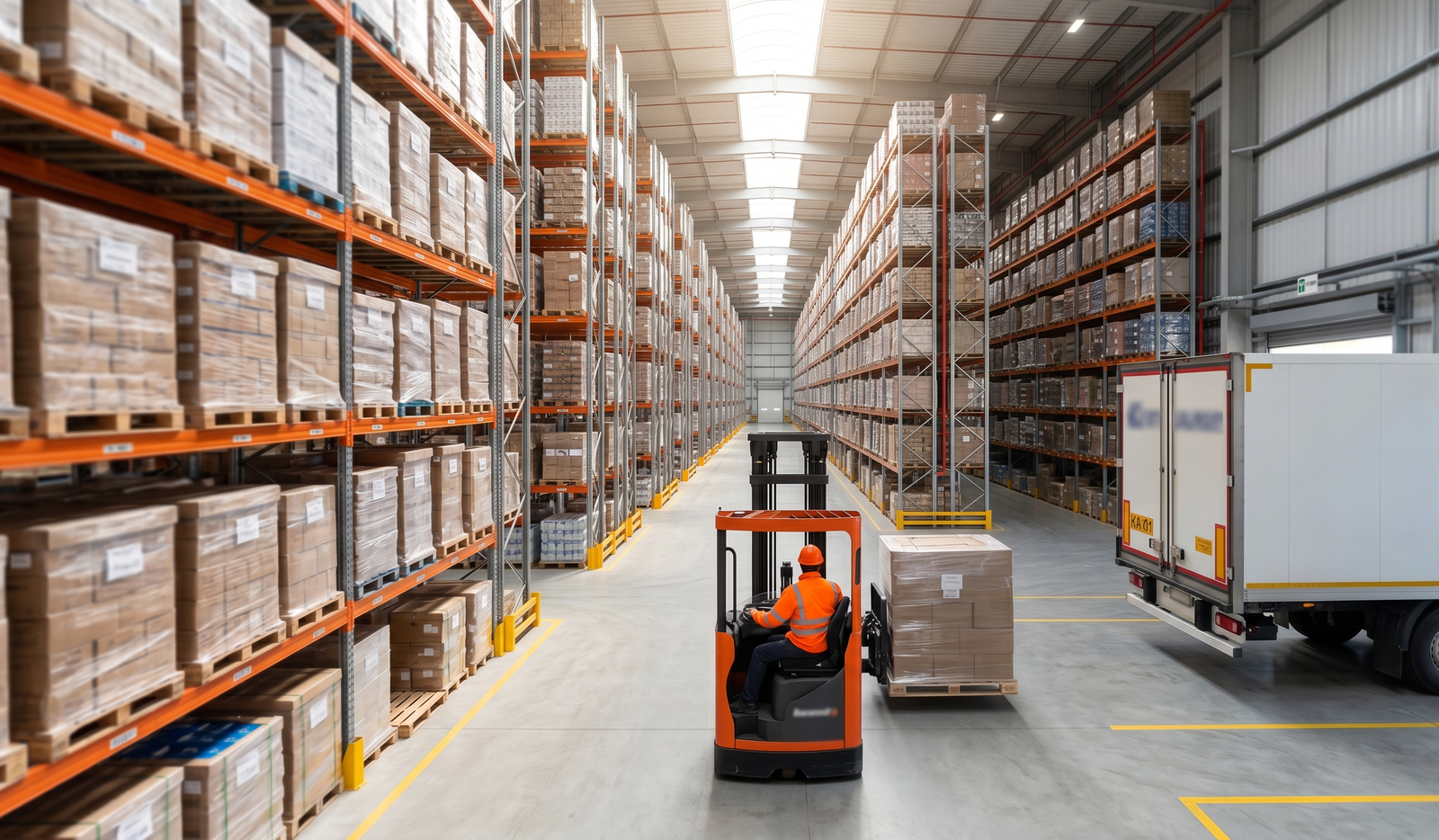
Managing international trade involves more than simply importing and exporting goods, it also means thinking through warehousing, customs procedures, inventory management, documentation and the overall cost of moving goods across borders. A Free Trade Warehousing Zone, or FTWZ, gives businesses a structured environment for warehousing and managing goods intended for international or domestic transactions, subject to the applicable regulations. Brillianto Consultancy works with Visakhapatnam-based businesses to help them understand whether an FTWZ model fits their operations and, where it does, to plan the setup, documentation and compliance properly.
FTWZ stands for Free Trade Warehousing Zone, a designated area that provides warehousing and related facilities for goods involved in international trade. It can help businesses manage imported goods, exports, re-exports, storage, and certain permitted value-added activities under the applicable framework, which makes it particularly relevant for businesses that need to hold inventory closer to their customers or manage international supply chains without immediately moving every shipment into the domestic market. FTWZ operations come with specific procedures and regulatory requirements, and understanding these before choosing the structure is what keeps a business out of avoidable operational and compliance difficulties.
Helping businesses understand the applicable framework, operational model, documentation and compliance requirements before setting up under an FTWZ structure.
Guidance on the laws, rules and procedures that govern FTWZ operations, considered from the beginning rather than after operations have already started.
Help understanding the commercial, customs and regulatory documents involved in FTWZ transactions, and a more organized approach to maintaining trade records.
Guidance on the import, export, re-export and warehousing procedures applicable to businesses using FTWZ facilities.
Support with documentation, classification, valuation, movement of goods and applicable duties tied to FTWZ transactions.
Help evaluating how FTWZ warehousing fits into a broader supply-chain strategy, based on your products, trade volumes and customer locations.
FTWZ can be relevant to different types of businesses involved in international trade and supply-chain activities, and our Visakhapatnam client base reflects that spread. Importers and exporters, international traders and manufacturers with global supply chains typically want to understand how centralized warehousing changes their cost and inventory position, while logistics businesses and companies managing imported inventory are usually further along and need structured setup and compliance support. If your business regularly handles international goods, it's worth evaluating whether an FTWZ structure fits your operational and commercial requirements.
We look at your products, trade volumes, supply-chain requirements and customer locations before suggesting whether an FTWZ structure is worth pursuing.
We evaluate the actual benefits an FTWZ model would offer your specific transaction structure, rather than assuming it's the right fit for every business.
Where FTWZ makes sense, we walk you through the operational model, documentation and compliance requirements involved in setting up.
We help you organize the commercial, customs and regulatory documents tied to your import, export, re-export and warehousing activity.
As your business and trade volumes grow, your regulatory and documentation requirements change too, and we provide continuing support as those needs evolve.
A one-time FTWZ suitability evaluation and setup guidance engagement is usually quoted as a fixed fee based on the scope of work involved. Ongoing regulatory, documentation and compliance support works better as a monthly retainer for businesses with regular warehousing and trade activity. We give an actual number once we understand your transaction structure and trade volumes, not a flat rate that ignores what your business actually needs.
Not every business benefits from an FTWZ structure, and the actual benefits depend on the goods, transaction structure and applicable regulations. We evaluate this before recommending a setup.
FTWZ operations are governed by specific rules and procedures, and compliance planned only after operations begin tends to create avoidable difficulties. We build it in from the start.
FTWZ transactions involve significant commercial, customs and regulatory paperwork. Without a systematic approach, records get missed or filed incorrectly. We help set up a more organized process.
Our team has over 60 collective years across DGFT, Customs, GST, EXIM and related regulatory work. We focus on practical, business-oriented guidance rather than making FTWZ regulations unnecessarily complicated, explaining the framework in a clear and understandable manner so business owners can make better decisions. Whether you're evaluating FTWZ for the first time or already operating within one, we understand your business model, products and operational requirements before suggesting an approach, and we stay on top of regulatory updates that affect your specific trade.
Whether you're exploring FTWZ for the first time, planning international warehousing activities, or need guidance on compliance and documentation for an existing setup, get in touch and we'll go through what your business actually needs.
Get in Touch